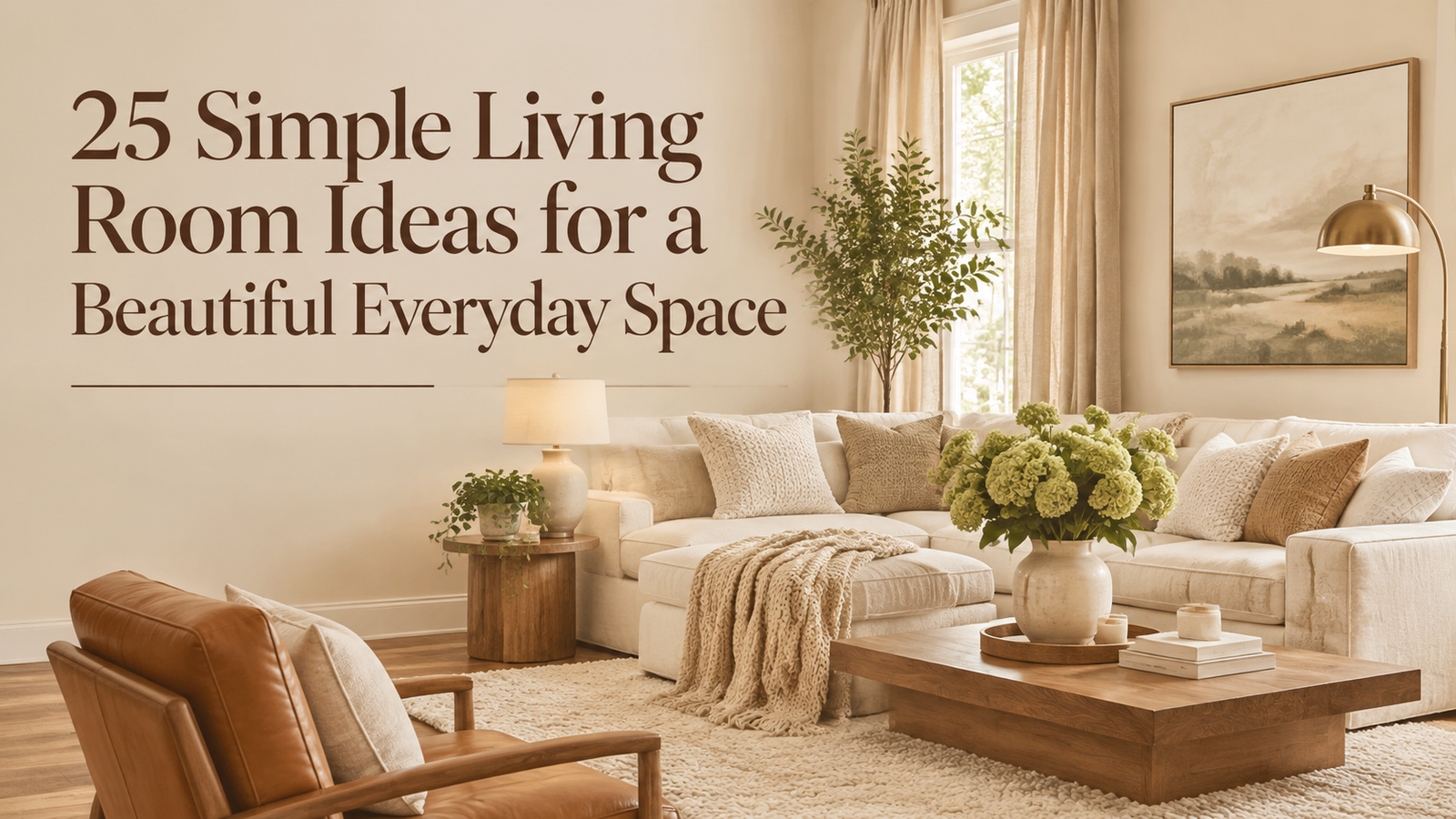
25 Simple Living Room Ideas for a Beautiful Everyday Space
A beautiful living room doesn’t have to be filled with expensive furniture, elaborate decorations, or perfectly coordinated accessories. Sometimes, the most inviting spaces are the simplest ones. A comfortable sofa, a thoughtful color palette, natural textures, and a few carefully chosen decorative pieces can make an ordinary room feel warm and welcoming.
These simple living room ideas focus on creating a space that looks beautiful while remaining practical for everyday life. You’ll find inspiration for neutral color schemes, cozy furniture arrangements, natural materials, attractive lighting, clever storage, and small decorative details that make a noticeable difference. Some ideas are perfect for refreshing a room without buying new furniture, while others can help you plan a more complete makeover. The best part is that you don’t need to follow a strict decorating style. Mix the details you love, work with what you already own, and create a living room that feels comfortable, personal, and easy to enjoy every day.
1. Choose a Soft Neutral Color Palette
A soft neutral color palette is an easy starting point for a simple living room. Shades of cream, warm white, beige, taupe, and light greige create a calm background that works with many decorating styles. Instead of using several competing colors, choose two or three main shades and repeat them throughout the room. A cream sofa, beige cushions, and warm white walls can look beautifully coordinated without feeling overly formal.
The secret to keeping neutral rooms interesting is mixing textures. Add a knitted throw, a woven basket, a linen curtain, or a textured rug to give the space depth. Natural wood and a little greenery also prevent the room from looking flat. You can introduce stronger colors through small accessories whenever you feel like refreshing the look.
2. Add a Comfortable Sofa as the Main Feature
The sofa is often the largest and most frequently used piece of furniture in a living room, so it deserves thoughtful attention. A comfortable sofa in a versatile color can make the entire space feel more inviting. Oatmeal, warm gray, beige, and muted taupe are useful choices because they work with different cushion colors and decorative styles. Look for a shape and size that suit the room rather than choosing furniture simply because it looks impressive.
Once the sofa is in place, arrange the remaining furniture around it. Leave enough room for people to walk comfortably and avoid filling every available corner. A small side table, a soft rug, and a reading lamp can complete the seating area. The result feels organized and comfortable without requiring unnecessary decorations.
3. Decorate with Natural Wood Furniture

Natural wood brings warmth and character to a living room without making the decor feel complicated. A wooden coffee table, media console, or side table can add a beautiful organic element to a room filled with soft fabrics and neutral colors. Oak creates a lighter, relaxed appearance, while walnut introduces deeper tones that pair nicely with cream upholstery and warm beige walls.
You don’t have to match every wooden piece perfectly. Combining different wood tones can make the room feel more natural and collected. Try keeping the undertones reasonably compatible and avoid introducing too many finishes in a small space. A wooden tray or a simple decorative bowl can also bring this material into the room without purchasing larger furniture.
4. Layer Soft Textures for a Cozy Look

A simple living room can feel warm and thoughtfully decorated even when it contains very few colors. The easiest way to achieve this is by layering different textures. Combine smooth furniture surfaces with soft upholstery, knitted blankets, woven accessories, and a comfortable area rug. These materials create visual interest while keeping the overall design calm.
Start with the largest textures, such as the sofa and rug, then add smaller details through cushions and throws. A woven basket beside the sofa or a ceramic vase on the coffee table can introduce another finish. Keep the arrangement balanced rather than adding something to every surface. A little variation goes a long way when the materials complement one another.
5. Bring Nature Indoors with Green Plants
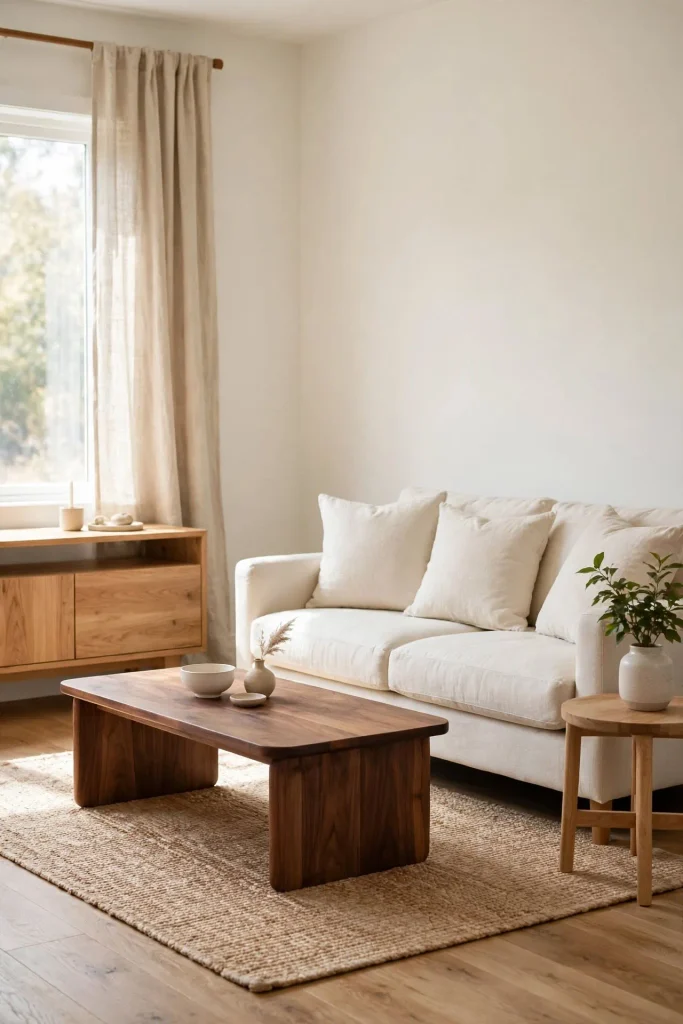
Indoor plants add color and natural character to a living room without requiring a complete decorating change. A taller plant beside the window can fill an empty corner, while smaller plants look lovely on shelves, side tables, or a console. Their green leaves create a gentle contrast against neutral furniture and warm white walls.
Choose plants according to the natural light and care conditions in your home. If you prefer low-maintenance decorating, a single well-positioned plant may be enough. You can also use attractive ceramic or woven planters that coordinate with your existing decor. Avoid overcrowding surfaces with too many small pots. A few thoughtfully placed plants often create a cleaner and more balanced appearance.
6. Use a Large Area Rug to Define the Space
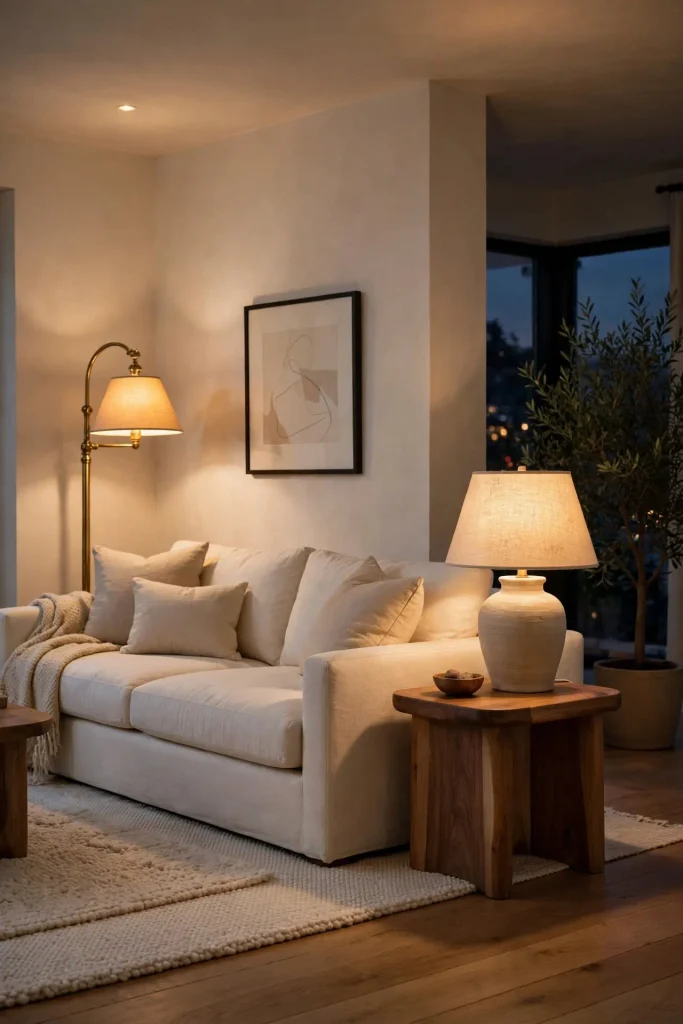
An area rug can make a living room feel more complete by visually connecting the furniture. Without one, a seating arrangement may look disconnected, especially when the room has hard flooring. A large neutral rug provides a comfortable surface underfoot and helps establish the main conversation area. Wool, cotton, and natural fiber designs offer different textures and appearances.
When selecting a rug, consider the size of your sofa and chairs. Ideally, the front legs of the main seating pieces should rest on the rug so the arrangement feels connected. Choose a subtle pattern if you want a little visual interest, or a solid textured design for a calmer look. Make sure the rug is suitable for the amount of daily foot traffic your room receives.
7. Create a Beautiful Coffee Table Arrangement
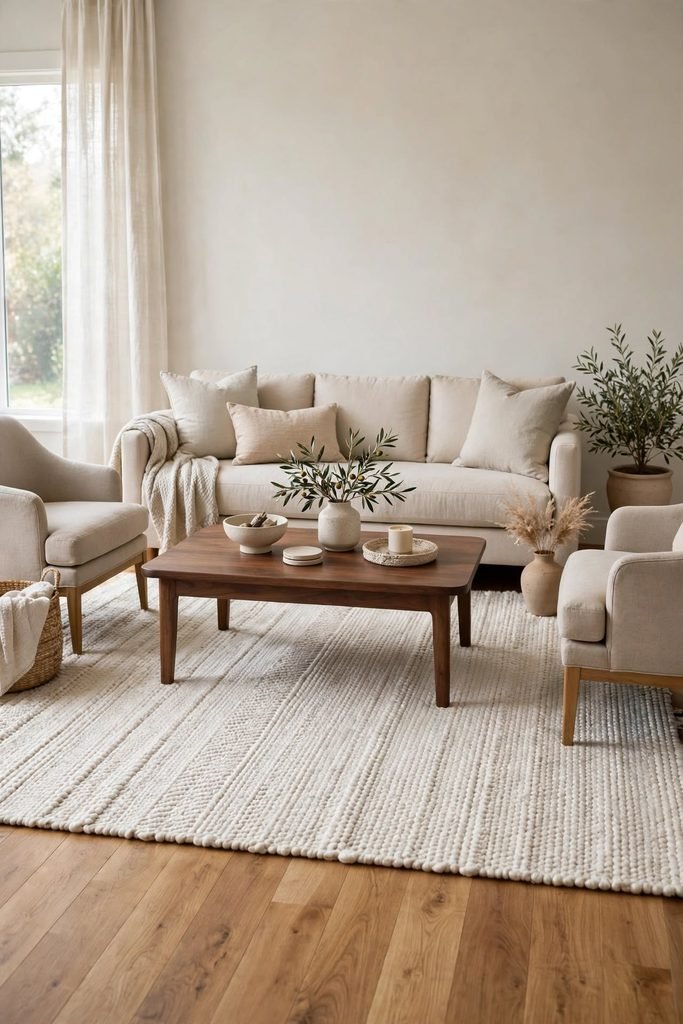
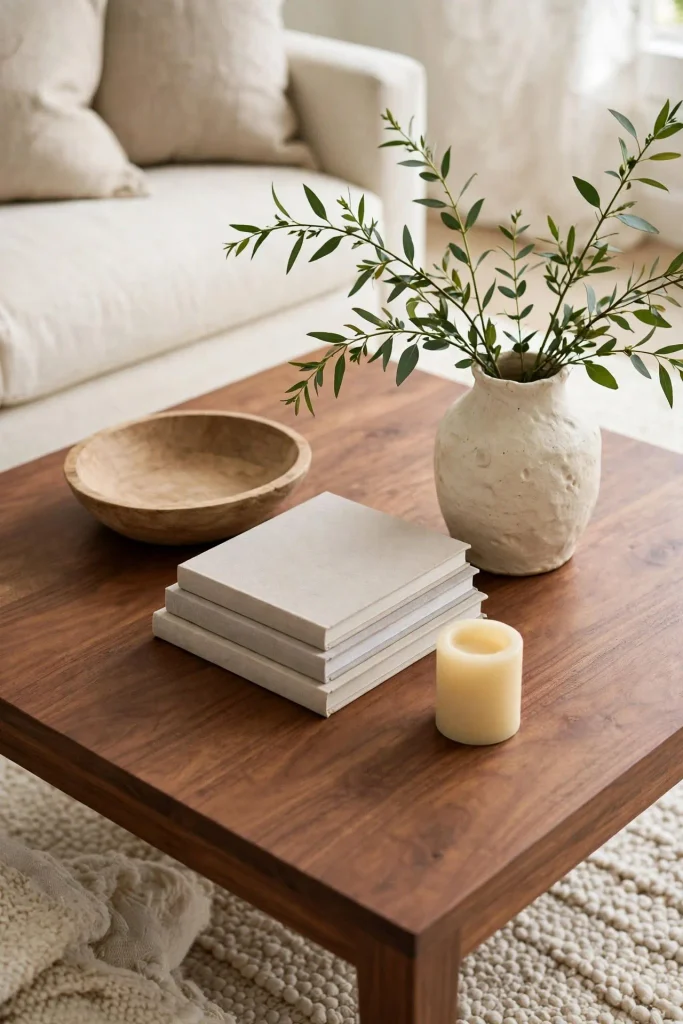
The coffee table naturally attracts attention because it sits near the center of the seating area. A few carefully selected accessories can make it look decorated without taking away the space needed for everyday use. Start with a small tray or a stack of books, then add one decorative object such as a ceramic vase, bowl, or candle.
Vary the heights and shapes of your accessories to create a more interesting arrangement. Keep enough open surface for cups, remote controls, and other things you regularly use. If you have children or pets, choose stable decorations without fragile edges. The goal is a coffee table that looks attractive but still works for normal family activities.
8. Hang Simple Artwork Above the Sofa

A large piece of artwork can give a living room a finished appearance without adding lots of decorative objects. The wall above the sofa is often a natural place for a painting or framed print. Abstract artwork, soft landscapes, and simple botanical designs are useful choices for a calm everyday interior.
Pay attention to the size of the artwork in relation to the sofa. A very small frame may look disconnected above a large seating piece, while an oversized design can overwhelm a narrow wall. Choose colors that complement the room rather than matching every cushion exactly. A simple natural wood or slim black frame can help the artwork stand out beautifully.
9. Let Natural Light Brighten the Room

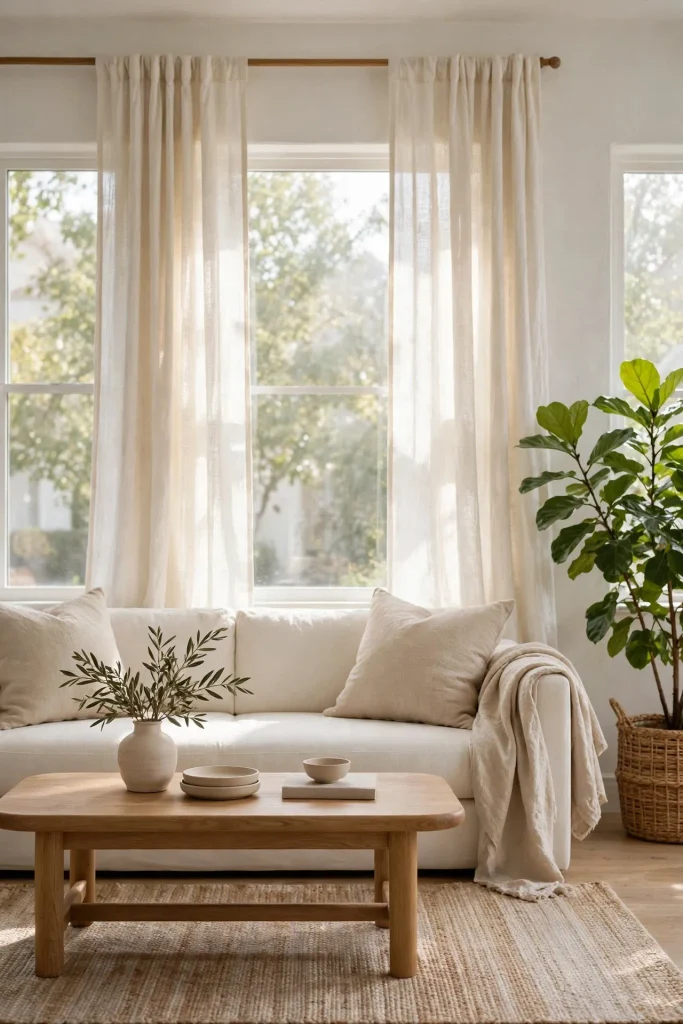
Natural light can make a living room feel more open and pleasant throughout the day. If your room has windows, avoid blocking them with bulky furniture or heavy curtains. Lightweight linen or sheer curtains allow daylight to enter while still giving the windows a soft finished appearance. Keeping the window area relatively clear can also make the room feel less crowded.
Think about how the furniture interacts with the light. A reading chair near a bright window can create a comfortable little corner, while a mirror on a suitable wall may help reflect available daylight. Keep the window ledges simple and avoid placing too many decorative objects in front of the glass. Small adjustments can make the room feel noticeably brighter.
10. Add Warm Lighting for Evening Comfort
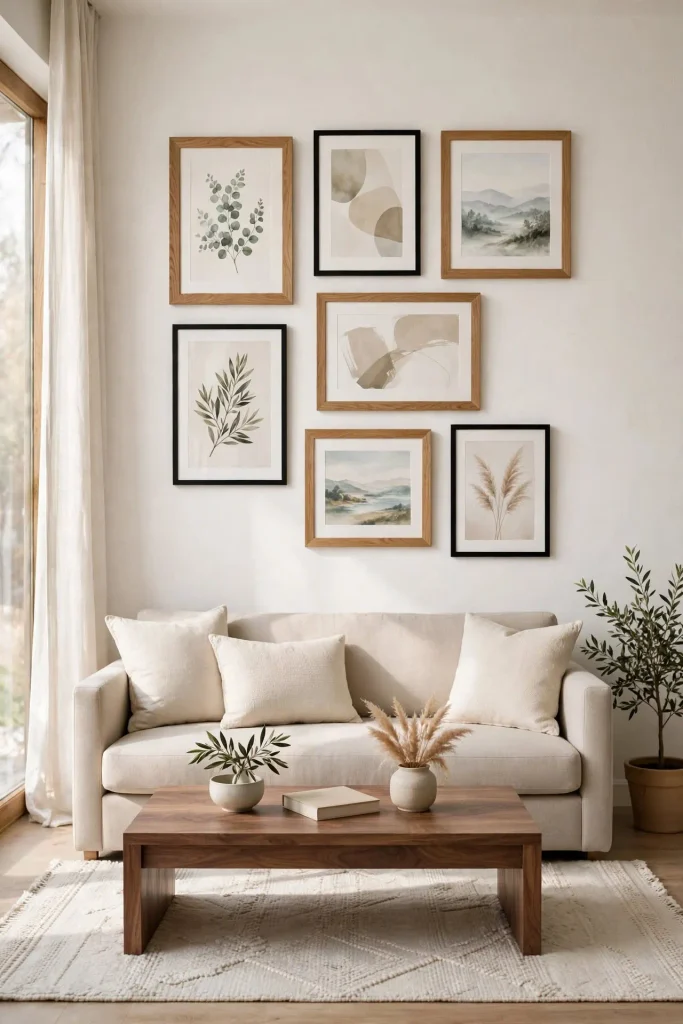
Good lighting helps a living room feel comfortable after sunset. Instead of depending on a single bright ceiling fixture, use a combination of floor lamps, table lamps, and softer overhead lighting. A lamp beside the sofa provides useful light for reading, while another on a console or side table adds a gentle glow to the rest of the room.
Choose warm-toned bulbs that create a welcoming atmosphere without making the room feel too yellow. Lamp shades made from linen or fabric can soften the light beautifully. You can also use dimmable lighting where practical, allowing you to adjust the brightness for different activities. Thoughtful lighting makes even a simple furniture arrangement feel more complete.
11. Keep Decorative Accessories Minimal

Decorative accessories can make a room feel personal, but too many small items can create visual clutter. A simpler approach is to choose a few pieces that genuinely complement the furniture. A beautiful vase, a favorite decorative bowl, or a small collection of books can provide enough detail without covering every available surface.
Look around the room and decide which objects deserve attention. Group similar accessories together instead of scattering them across the entire space. Leave some shelves and tabletops empty so the decorations have room to stand out. This approach also makes routine cleaning easier. Simple styling doesn’t mean removing all personality. It means giving your favorite pieces a little more breathing space.
12. Decorate with Linen Curtains
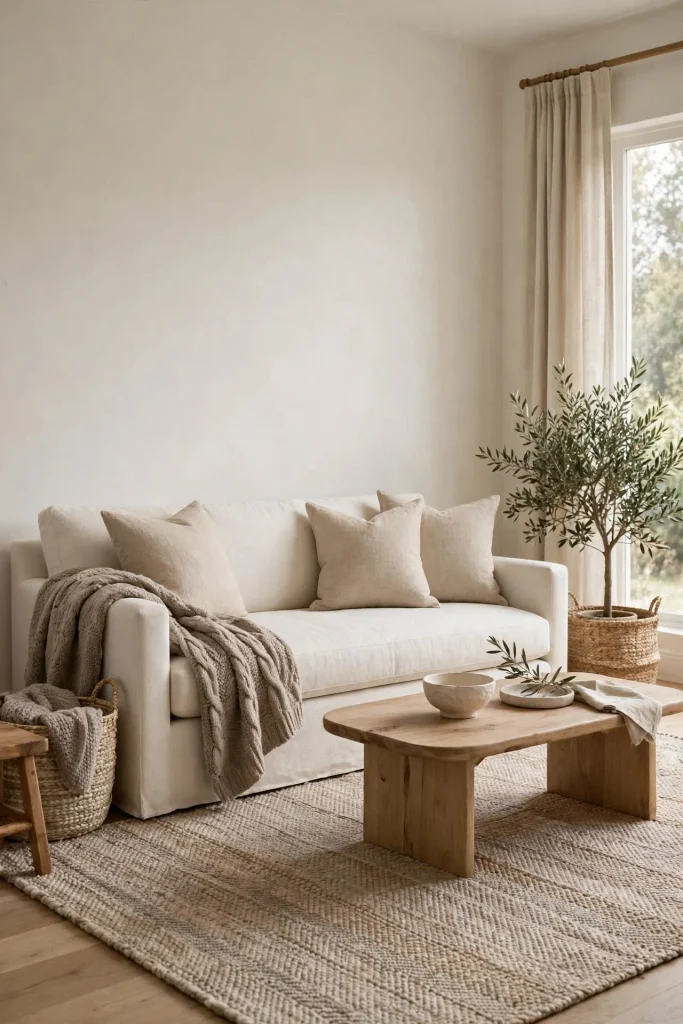
Curtains can change the overall appearance of a living room more than many people expect. Simple linen curtains add softness around windows and help balance the harder surfaces of furniture and flooring. Warm white, natural flax, and light beige are versatile options that work especially well with neutral interiors.
For a clean appearance, choose curtains that are appropriately sized for the window and hang them high enough to create a graceful vertical line. Make sure they can still open and close comfortably. If privacy is important, consider layering sheer curtains with a heavier panel. This gives you flexibility while keeping the room looking relaxed and beautifully finished.
13. Make a Small Reading Corner
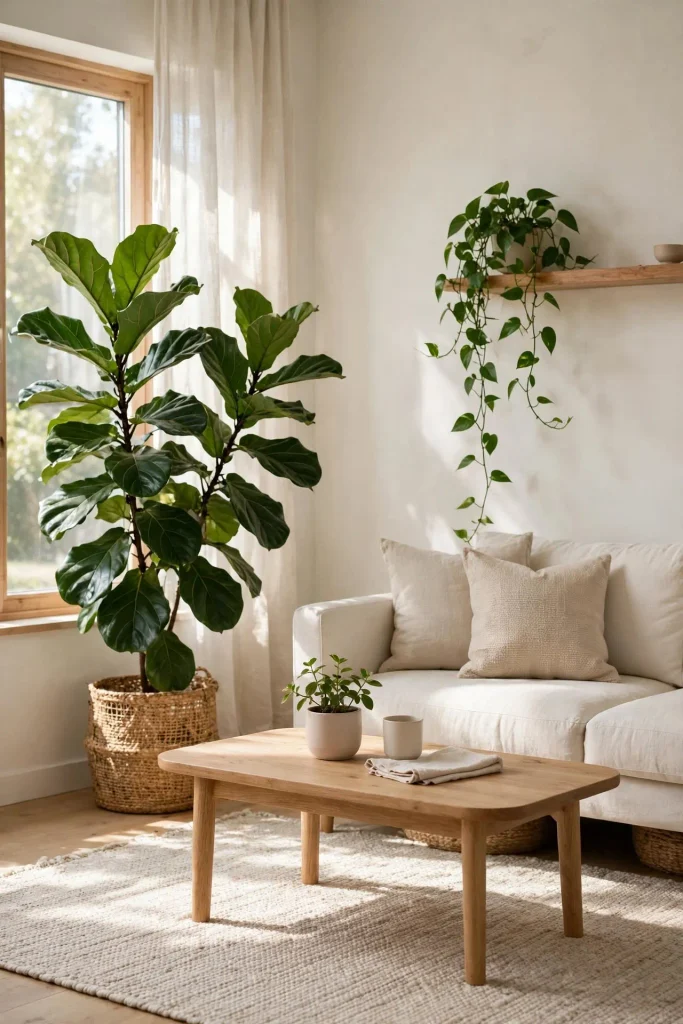
A reading corner gives a living room another useful purpose without requiring a separate room. All you need is a comfortable chair, a small table, and a suitable light source. An unused corner near a window can be a particularly nice location because it offers natural light during the day. Choose a chair that fits the available floor space and allows you to sit comfortably.
Add a cushion and a soft throw to make the corner more inviting. A small bookshelf or basket nearby can hold reading materials and keep the area organized. If space is limited, use a compact side table rather than a large piece of furniture. This little arrangement can become a favorite spot for quiet moments.
14. Use a Stylish Storage Basket
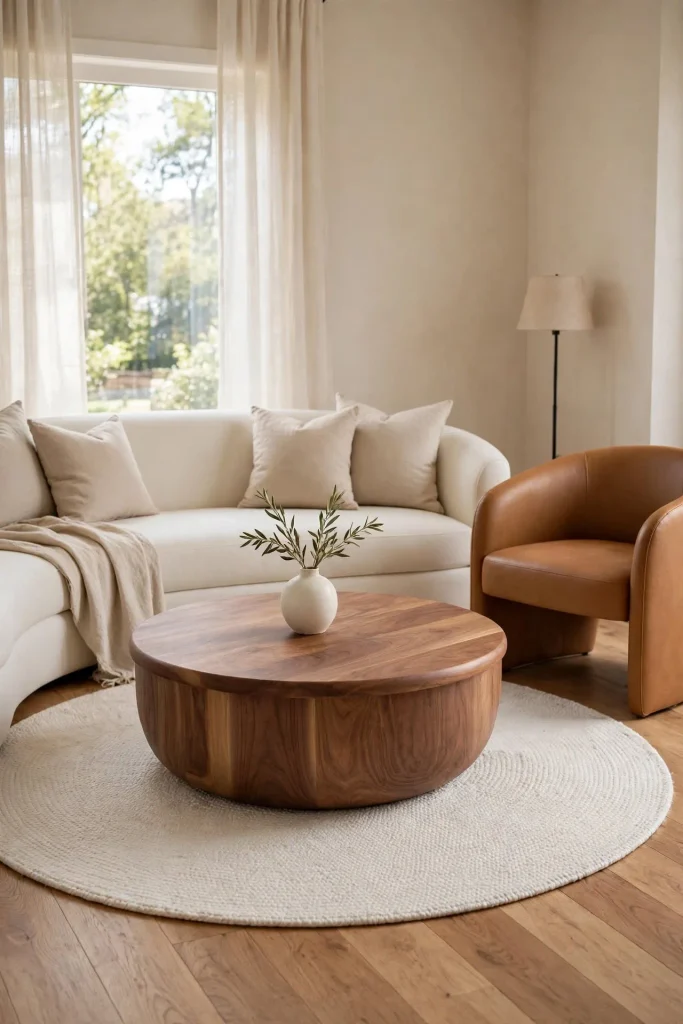
Storage baskets are useful for keeping everyday living room items close by without leaving them scattered around. A woven basket beside the sofa can hold extra blankets, magazines, or small cushions. Natural seagrass, rattan, and cotton rope designs add texture while blending easily with many home decorating styles.
Choose a basket that is large enough for its intended purpose but not so oversized that it blocks the walkway. A basket with handles is convenient when you need to move it for cleaning or rearranging. You can also use smaller matching baskets on shelves or inside a console cabinet. Practical storage looks much better when it has a natural place within the decor.
15. Style a Simple Living Room Gallery Wall

A gallery wall is a lovely way to bring personality into a simple living room. Instead of filling the walls with random decorations, select a small group of prints that share a similar color palette or theme. Botanical illustrations, abstract shapes, and landscape artwork can work together when their frames and tones feel coordinated.
Before hanging anything, arrange the frames on the floor to experiment with spacing and proportions. This makes it easier to find a layout that suits the wall. You can choose matching frames for a clean appearance or combine two finishes for a more relaxed look. Leave enough space around the collection so it remains a feature rather than making the room feel busy.
16. Add a Round Coffee Table
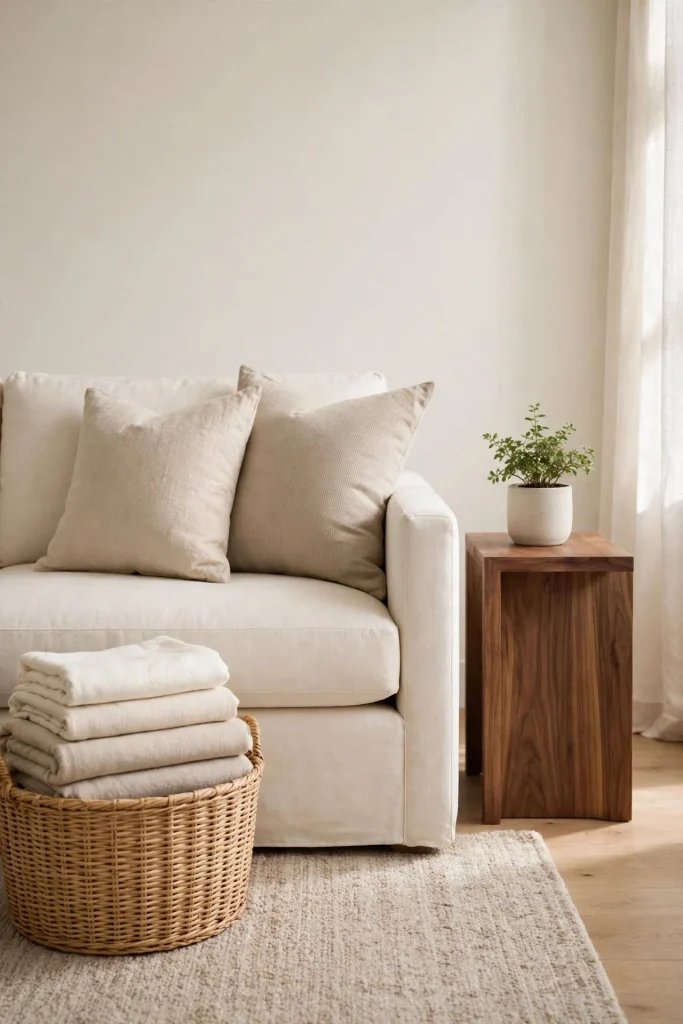
A round coffee table can soften a living room that contains several straight furniture lines. Its curved shape creates a more relaxed appearance and can make it easier to move around the seating area. This can be particularly useful in smaller rooms where sharp corners may interrupt the available walking space.
Wood, stone, and upholstered designs offer different styles, so choose a material that works with your existing furniture. A round table also looks lovely with a simple tray and one or two decorative accessories. Make sure the height and diameter are suitable for the sofa. The right proportions help the entire seating arrangement feel comfortable and connected.
17. Choose a Simple Accent Chair

An accent chair can add another seating option while giving the living room a little contrast. A caramel leather chair, muted olive armchair, or textured beige design can work beautifully beside a neutral sofa. It doesn’t have to match the main furniture exactly. In fact, a slightly different material or color can make the arrangement more interesting.
Think carefully about the chair’s size and placement before buying one. It should allow people to move around easily and should feel connected to the main seating area. Add a small side table or floor lamp if you have enough space. Even a single accent chair can make an empty corner feel intentional and useful.
18. Create a Simple Floating Shelf Display

Floating shelves provide useful display space without taking up floor area. They can be installed above a sofa, beside a reading corner, or on an empty wall that needs a little detail. Natural wood shelves look especially attractive with neutral decor, ceramics, books, and a small amount of greenery.
The important thing is to avoid filling every inch of the shelves. Combine a few taller and shorter objects, leave visible gaps, and vary the arrangement slightly. Check that the shelves are securely installed and appropriate for the weight of the items you plan to display. A carefully styled pair of shelves can add character while keeping the rest of the living room simple.
19. Introduce a Touch of Black for Contrast

A small amount of black can give a neutral living room a more defined and balanced appearance. Without introducing a completely different color scheme, you can use black through picture frames, lamp bases, furniture legs, or a decorative bowl. These details create contrast against cream upholstery, beige walls, and natural wood.
The key is to use black selectively. Too many dark accessories can make a light room feel visually heavy, especially when the space is small. Start with one or two details and see how they work with the existing furniture. A slim black floor lamp or a framed print can be enough to give the room a little structure.
20. Keep the TV Area Clean and Organized

The television area can easily become one of the busiest parts of a living room. Remote controls, cables, gaming accessories, and decorative objects may collect around the screen. A simple media console with closed cabinets provides a practical way to keep these everyday items out of sight while maintaining a tidy appearance.
Keep the top of the console relatively clear. One or two decorative accessories can soften the area without competing with the television. If possible, organize cables neatly using suitable cable management products. Choose a console that offers enough storage for your household’s needs. A well-organized TV area makes the entire living room feel more considered.
21. Decorate with a Soft Earthy Color Palette
Earthy colors can make a living room feel warm and welcoming while keeping the design relatively simple. Shades of terracotta, clay, olive, sand, and warm brown work particularly well with cream upholstery and natural wood. You don’t need to paint the walls or replace the main furniture to introduce these colors.
Start with a few cushions, a ceramic vase, or a decorative throw. A muted olive accent chair or a terracotta artwork can add a little more color if you want a stronger feature. Keep the shades balanced rather than using every earthy color at once. The combination of natural materials and gentle tones creates a relaxed look that works well for everyday living.
22. Make Use of Mirrors to Add Visual Space
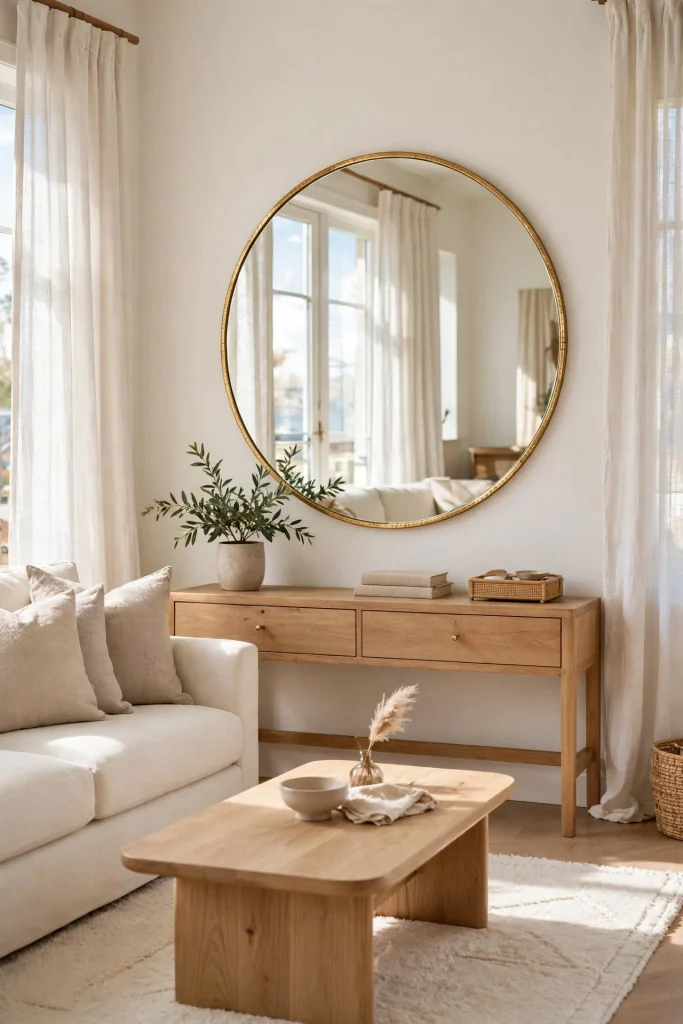
A well-placed mirror can add visual depth and help a living room feel more open. It reflects parts of the interior and can make a wall feel less empty. A large round mirror above a console table is a classic option, while a tall rectangular mirror can work well in a narrow room or beside a seating area.
Think about what the mirror will reflect before choosing its position. Placing it opposite a window may help bounce natural light around the space, depending on the room layout. Select a frame that complements your other finishes, such as natural wood, brass, or simple black metal. Avoid placing mirrors where they reflect clutter or create an uncomfortable glare.
23. Add a Console Table Behind the Sofa

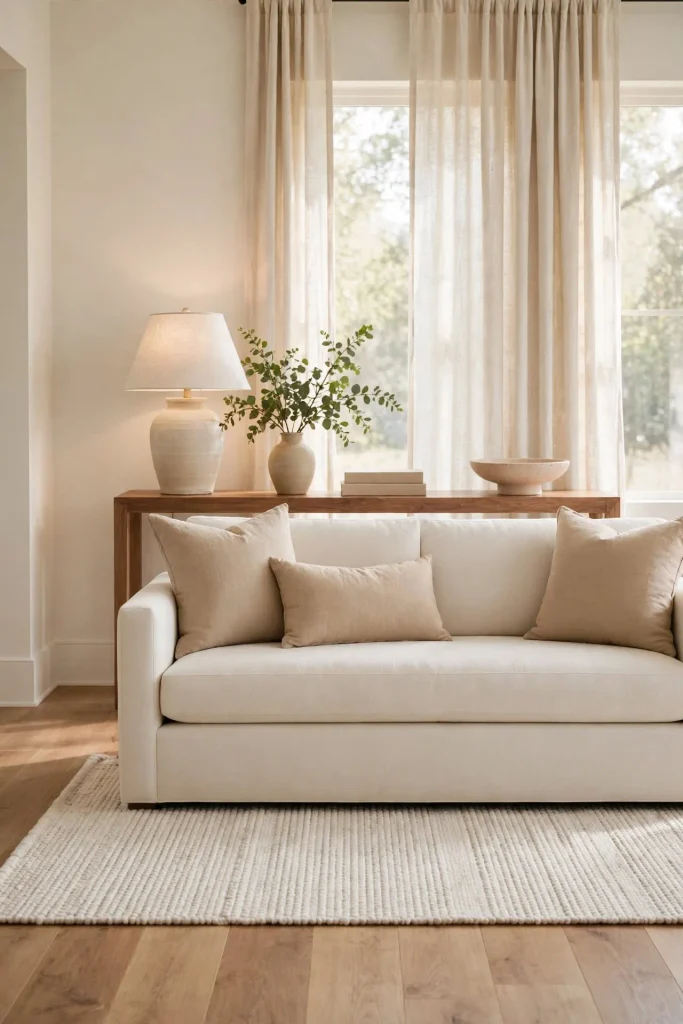
A console table behind the sofa can be useful when the seating arrangement floats in the middle of the room. It provides a convenient surface for a lamp, books, or a few decorative accessories while helping define the seating area. A narrow design is often preferable because it adds function without taking up too much space.
Keep the styling simple so the table doesn’t become another cluttered surface. A lamp on one side and a small decorative arrangement on the other can create a balanced look. If the table includes drawers or shelves, use them to store everyday items. Before choosing a design, check the available clearance behind the sofa so people can still walk comfortably.
24. Use Matching Storage and Decorative Boxes

Storage doesn’t have to look separate from the decorating style. Matching baskets and decorative boxes can make open shelving appear more organized while keeping smaller household items accessible. Choose natural woven textures, linen-covered boxes, or simple neutral containers that coordinate with the furniture and wall colors.
Use the boxes for things you reach for regularly, such as remote controls, chargers, stationery, or small accessories. Labeling the inside or underside can help family members find items without adding visible text to the shelves. Leave a few open spaces for books and decorative objects so the storage area doesn’t look too uniform. Practical organization is an important part of a beautiful everyday living room.
25. Personalize the Room with Meaningful Decor

A living room should feel like a reflection of the people who use it. Meaningful decorations can make a simple space feel much more personal than a room filled with accessories chosen only to match a trend. Display a few framed photographs, a favorite piece of artwork, a handmade bowl, or a small object collected during a memorable trip.
Try giving these items a thoughtful place instead of displaying everything at once. A console table, bookshelf, or coffee table can hold a small collection without making the room feel crowded. Mix personal pieces with neutral decorative accessories to keep the overall look balanced. The most inviting living rooms leave room for both everyday comfort and individual character.
Simple Living Room Decorating Tips for Everyday Comfort
Before changing your furniture or purchasing new decorations, take a little time to understand how your living room is used. A room that looks beautiful in photographs should also work for the people who spend time there.
- Start with the layout: Arrange the main seating pieces to encourage conversation and leave comfortable walking paths.
- Choose a consistent palette: Repeat a few complementary colors across furniture, cushions, rugs, and accessories.
- Prioritize comfort: Make sure seating, lighting, and tables suit your everyday activities.
- Reduce visual clutter: Give frequently used items a practical storage place.
- Mix materials: Combine wood, linen, cotton, wool, ceramic, and woven textures for depth.
- Decorate gradually: Add accessories over time rather than buying everything at once.
- Leave some open space: Empty areas can help a room feel calmer and more balanced.
Conclusion
Creating a beautiful living room doesn’t require an expensive makeover or a complicated decorating plan. Often, a few thoughtful changes make the biggest difference. A comfortable sofa, soft neutral colors, natural wood furniture, layered textures, and warm lighting can create a welcoming atmosphere that works throughout the day. Small details such as indoor plants, simple artwork, attractive storage baskets, and personal accessories bring the room together.
Start with the areas that need the most attention and build from there. You might rearrange the furniture, update your cushions, introduce a new rug, or simply clear a few crowded surfaces. Take your time choosing pieces that suit your home and daily routine. A simple living room should look lovely, feel comfortable, and make everyday moments a little more enjoyable.
Frequently Asked Questions
2. What colors are best for a simple living room?
Cream, warm white, beige, taupe, light gray, and soft greige are popular choices for simple living rooms. These shades create a calm background and work well with natural wood and different fabric textures. You can introduce muted green, terracotta, or brown through cushions, artwork, and accessories for extra warmth.
3. How do I decorate a small living room without making it feel crowded?
Choose furniture that fits the available floor space and avoid blocking windows or walkways. Use a limited color palette, practical storage, and appropriately sized accessories. Mirrors can add visual depth, while floating shelves make use of vertical space. A well-planned layout is often more useful than adding more decorations.
4. What should I put on a living room coffee table?
A simple coffee table arrangement can include a small decorative tray, a ceramic vase, a shallow bowl, or a couple of books. Choose accessories that complement the room and vary their heights slightly. Leave enough empty surface for everyday use so the table remains practical rather than becoming a cluttered display.
5. How can I refresh my living room without buying new furniture?
Try rearranging your existing furniture, changing cushion covers, adding a throw, or moving accessories between rooms. Cleaning windows, organizing shelves, introducing a houseplant, and updating the coffee table arrangement can also make the room feel refreshed. Small adjustments can create a noticeable difference without replacing your main furniture.